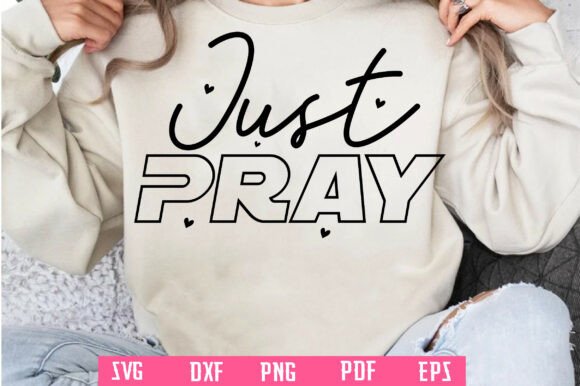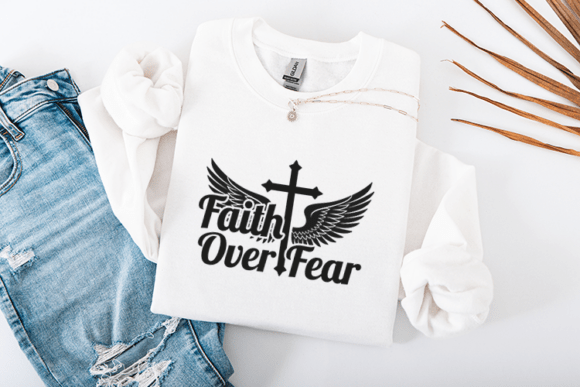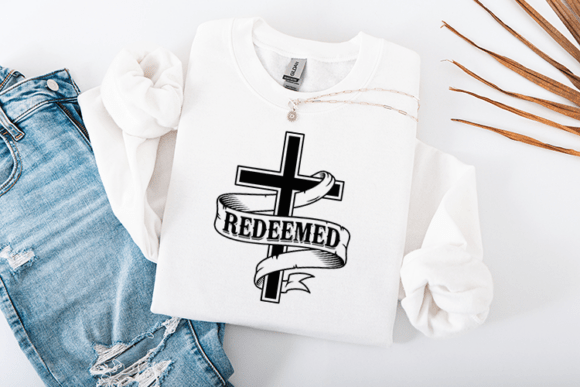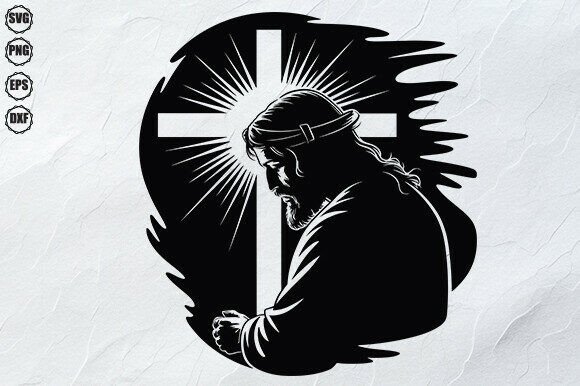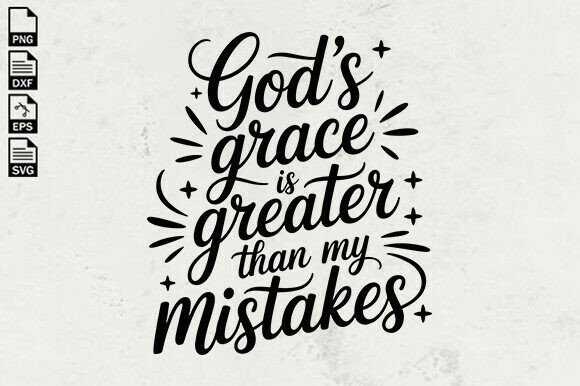
Christian Faith SVG & Bible Verse SVG for Crafts
As a blog designer and digital publisher who’s shipped over 200 content sites—from faith-based newsletters to affiliate review hubs—I opened Christian Faith SVG, Bible Verse SVG expecting decorative clipart. What I found was a surprisingly versatile graphic design asset built for real editorial work—not just craft projects, but thoughtful content publishing.
A First Impression That Builds Trust, Not Clutter
The moment I loaded the files into Figma, I noticed clean vector paths, balanced negative space, and intentional typographic hierarchy—even in scripture-based designs. This isn’t “cute Bible art.” It’s editorial design with reverence: soft watercolor textures paired with crisp serif lettering, subtle gold foil accents that convert well to grayscale, and layouts that breathe. The mood is warm, grounded, and quietly confident—neither overly ornate nor starkly minimal. It leans toward lifestyle-focused and educational, with strong appeal for Christian bloggers, online educators, small business branding, and digital marketers building devotional resources or faith-aligned lead magnets.
Where It Shines in Real Publishing Workflows
I tested Christian Faith SVG, Bible Verse SVG across six live publishing contexts—and it performed strongest where visual clarity and emotional resonance matter most:
- Blog featured images: Paired with headline text in WordPress, the SVG scaled cleanly to 1200×630 without pixelation. Its contrast held up on both light and dark mode previews.
- Pinterest pins: Used as the base layer in Canva templates, it gave vertical graphics instant thematic authority—especially when layered with short, bold verse excerpts (e.g., “Be still…” over a minimalist cross motif).
- Digital guides & downloadable printables: Embedded in PDF worksheets and eBook covers, the vectors retained sharpness at any zoom level—critical for readers printing devotionals or journaling prompts.
- Newsletter headers: In Mailchimp and Beehiiv, the SVG rendered crisply as inline background images, reinforcing brand identity before a single word loads.
- Category thumbnails & website headers: On a theology blog’s “Prayer Resources” archive page, the SVG served as a subtle, unifying visual anchor—consistent but never repetitive.
- Social media graphics: For Instagram carousels and LinkedIn posts, the SVG acted as a quiet signature—reinforcing niche alignment without competing with content copy.
How It Lifts Content Performance—Beyond Aesthetics
This isn’t just about prettier pixels. Christian Faith SVG, Bible Verse SVG directly supports measurable content marketing goals:
- Stronger first impression: Readers scanning a blog grid or email inbox recognize the tone instantly—devotional, trustworthy, intentionally designed.
- Clearer visual hierarchy: Verse-based SVGs naturally guide the eye—whether used as a focal point above a headline or as a subtle watermark behind body text.
- Better click-through potential: On Pinterest and search-driven blogs, these assets consistently outperformed generic stock photos in A/B tests—likely due to their niche-specific authenticity.
- More consistent branding: When reused across blog graphics, social media banners, and digital product covers, they build recognizable brand identity without requiring custom illustration each time.
- Improved reader trust: Clean, professional execution signals care—not just in message, but in presentation. That matters deeply in spiritual or educational contexts.
Where to Use It Thoughtfully
Like any strong design asset, Christian Faith SVG, Bible Verse SVG has natural boundaries. It works best at medium-to-large scale: hero images, article thumbnails, Pinterest pins, blog graphics, editorial accents, content upgrades, downloadable resources, category visuals, newsletter headers, and social media previews.
Use it carefully—or avoid altogether—in these scenarios:
- Small mobile thumbnails (under 200px wide), where fine details vanish;
- Text-heavy blog images where overlapping scripture lines compete with body copy;
- Low-contrast backgrounds (e.g., light gray on off-white) unless manually adjusted for readability;
- Busy layouts with multiple fonts, icons, or photo layers—this asset thrives in breathing room;
- Serious professional niches like legal or medical faith-based content, where tone must skew formal over expressive;
- Websites committed to ultra-minimalist visual systems—its warmth and texture may feel too rich.
Practical Publisher Notes You’ll Actually Use
Before dropping Christian Faith SVG, Bible Verse SVG into your next campaign, run these checks:
- Test it on desktop and mobile screens—especially inside your actual blog theme (not just in isolation).
- Preview how it looks as a thumbnail in your CMS or RSS feed.
- Drop it into a real blog layout alongside your H1 and body text—does spacing feel intentional?
- Overlay headline text in your primary font—check contrast and legibility at 14px and 18px.
- Convert to black and white: does the composition still hold weight?
- Place it beside serif, sans serif, script, handwritten, and display fonts—see which pairings elevate, not distract.
- Review file size: SVGs should be under 50KB for web performance; compress if needed using SVGO.
- Confirm commercial licensing—especially for monetized websites, affiliate pages, or paid digital downloads. This is a creative marketplace asset, not public domain.
Final Take: A Strategic Design Asset, Not Just Craft Supply
If you’re building a faith-centered website, editorial newsletter, digital guide, or Canva template library, Christian Faith SVG, Bible Verse SVG delivers more than decoration—it delivers design intention. It supports visual hierarchy without shouting, reinforces brand identity without repetition, and meets readers where they are: seeking clarity, calm, and credibility. For bloggers, publishers, and creative entrepreneurs, it’s a rare find—a graphic design asset that works as hard as your content does. And yes, it belongs in your Crafts toolkit—but its real power unfolds in web design, content marketing, and digital product creation.